This site is for demonstration purposes only. Storveis is a fictional hiking club. Read more

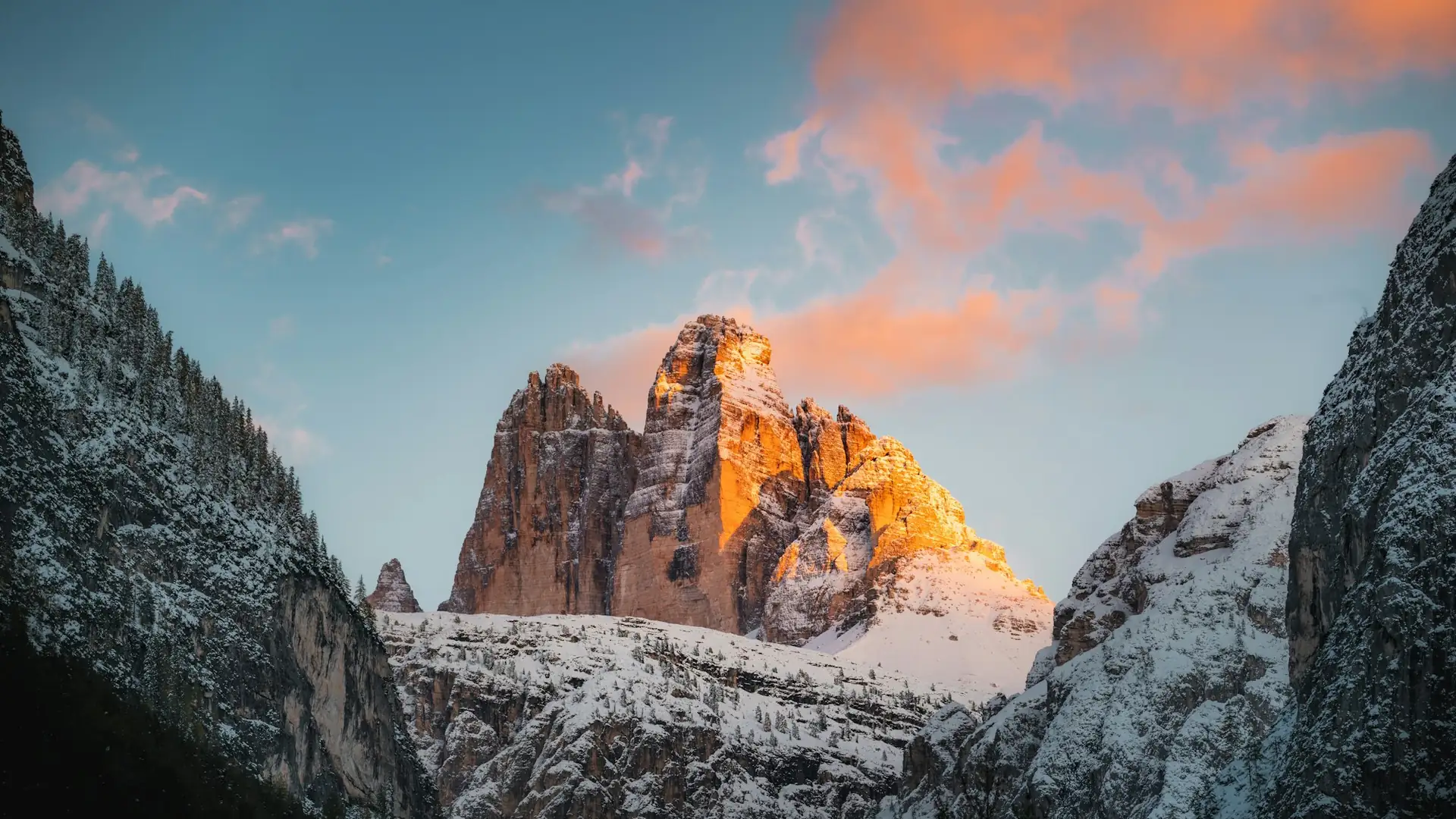
“The mountain is the same all day. The light never is.”
Last September eight of us from the photo group spent one long day on the same ridge, from the first blue glow to the last green flicker of the aurora. These are the seven kinds of light we chased, and what we learned about each.
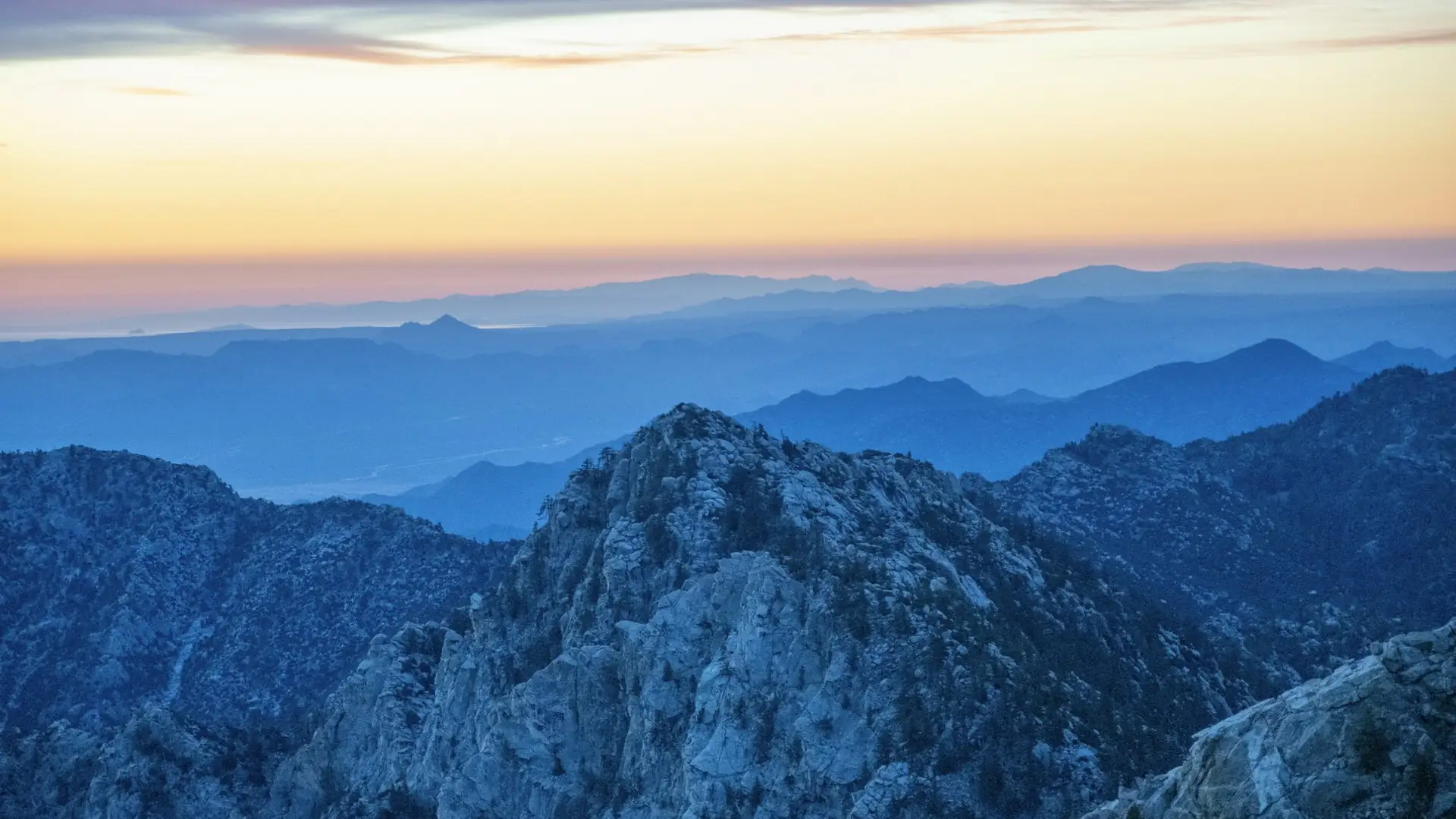
Before the sun clears the horizon, the whole valley turns cold blue. Shadows disappear and the ridges stack like paper cut-outs.
This is the quietest light of the day. Set up while it is still dark, and let the shutter stay open for seconds, not fractions.
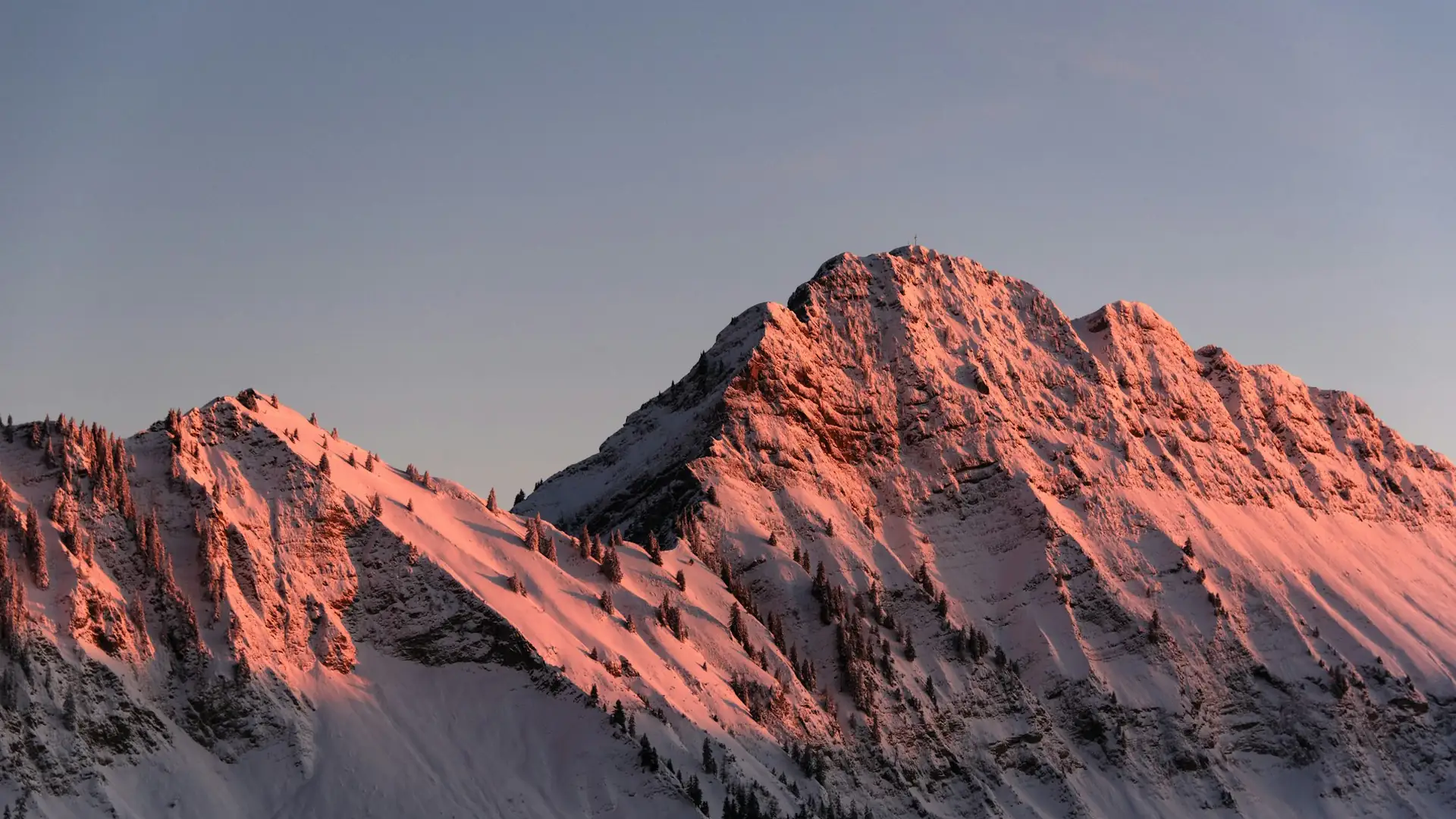
The first sun hits only the highest snow. For a minute and a half the summit glows pink while the valley is still asleep.
Point the camera at the peak, not the sun. Underexpose a little so the snow keeps its colour.
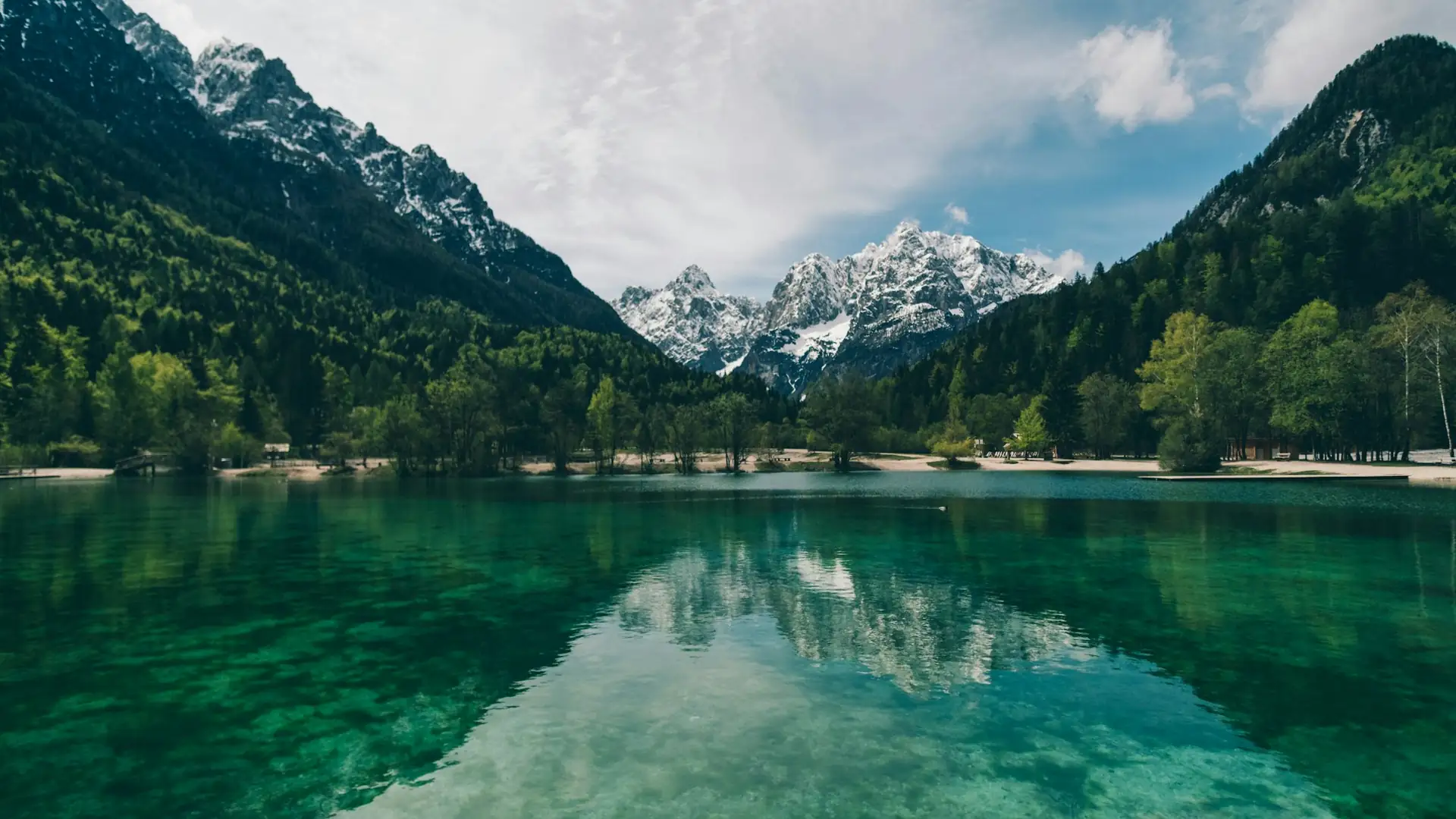
Noon is the hour most hikers reach the top, and the worst hour for the sky. The sun flattens every slope.
So turn around and look down. Mountain lakes love high sun: a polarising filter cuts the glare and the water turns glass-green.
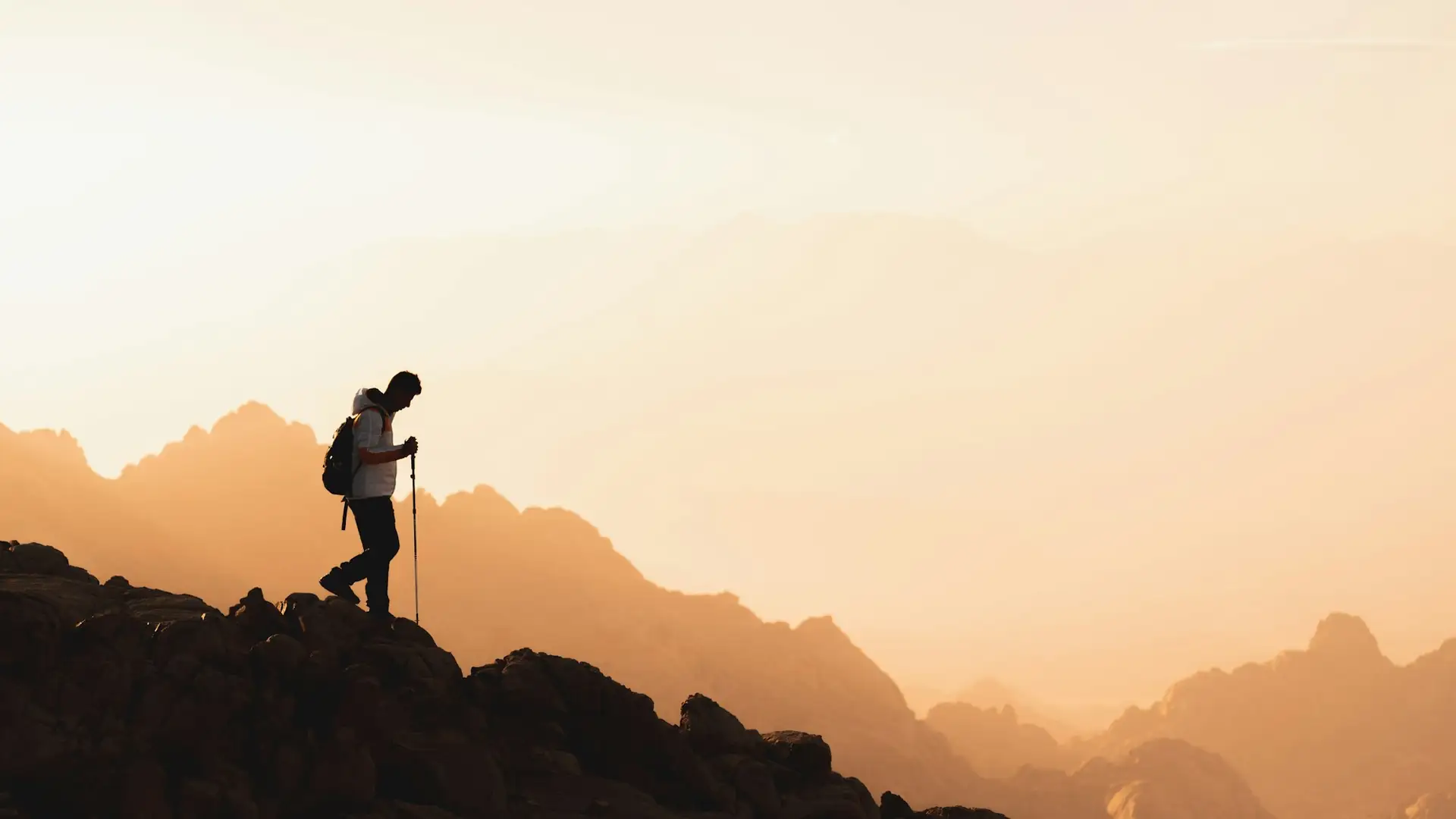
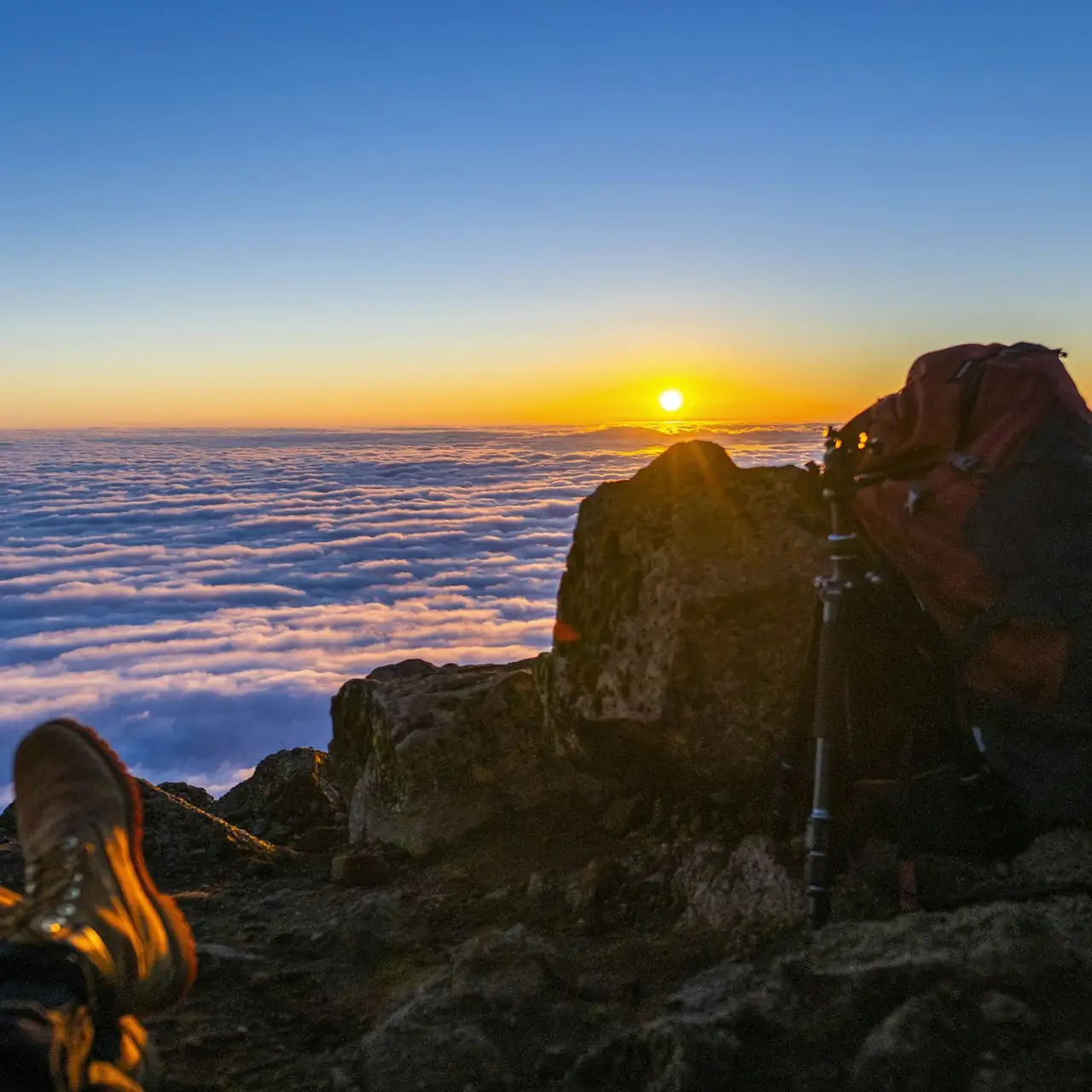
Arrive forty-five minutes early. Face west from an open ridge, use a cairn as foreground, and wait for one of your friends to walk into the frame.
A single small figure makes the mountain look as big as it felt.
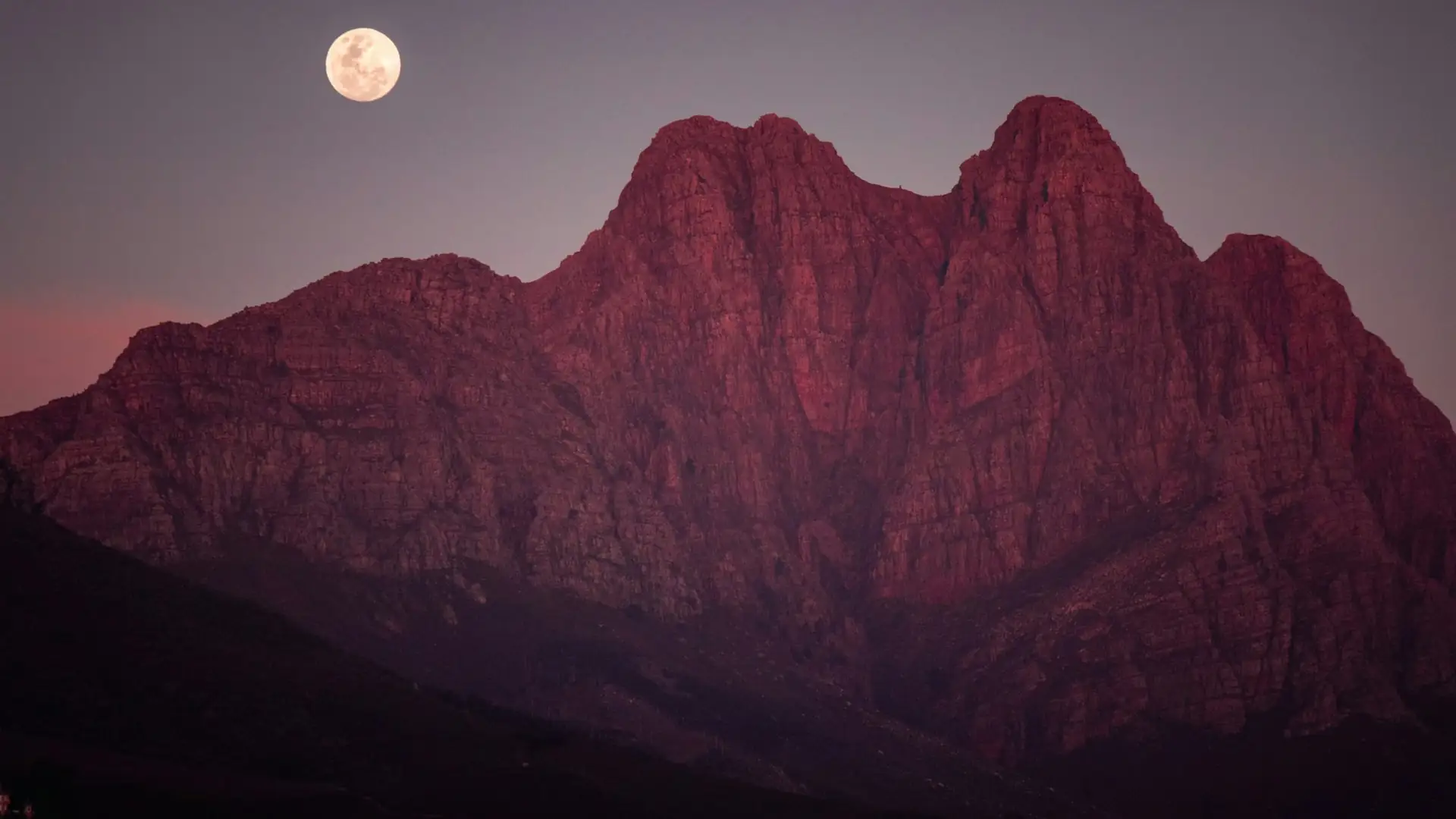
The sun is gone, but the sky keeps lighting the rock from below. This is when most people pack up. Don't.
Ten minutes after sunset the colours are deeper than they ever were at golden hour.
Cameras change. The kit around them hardly does. Every member of the photo group packs these four, whatever lens they carry.
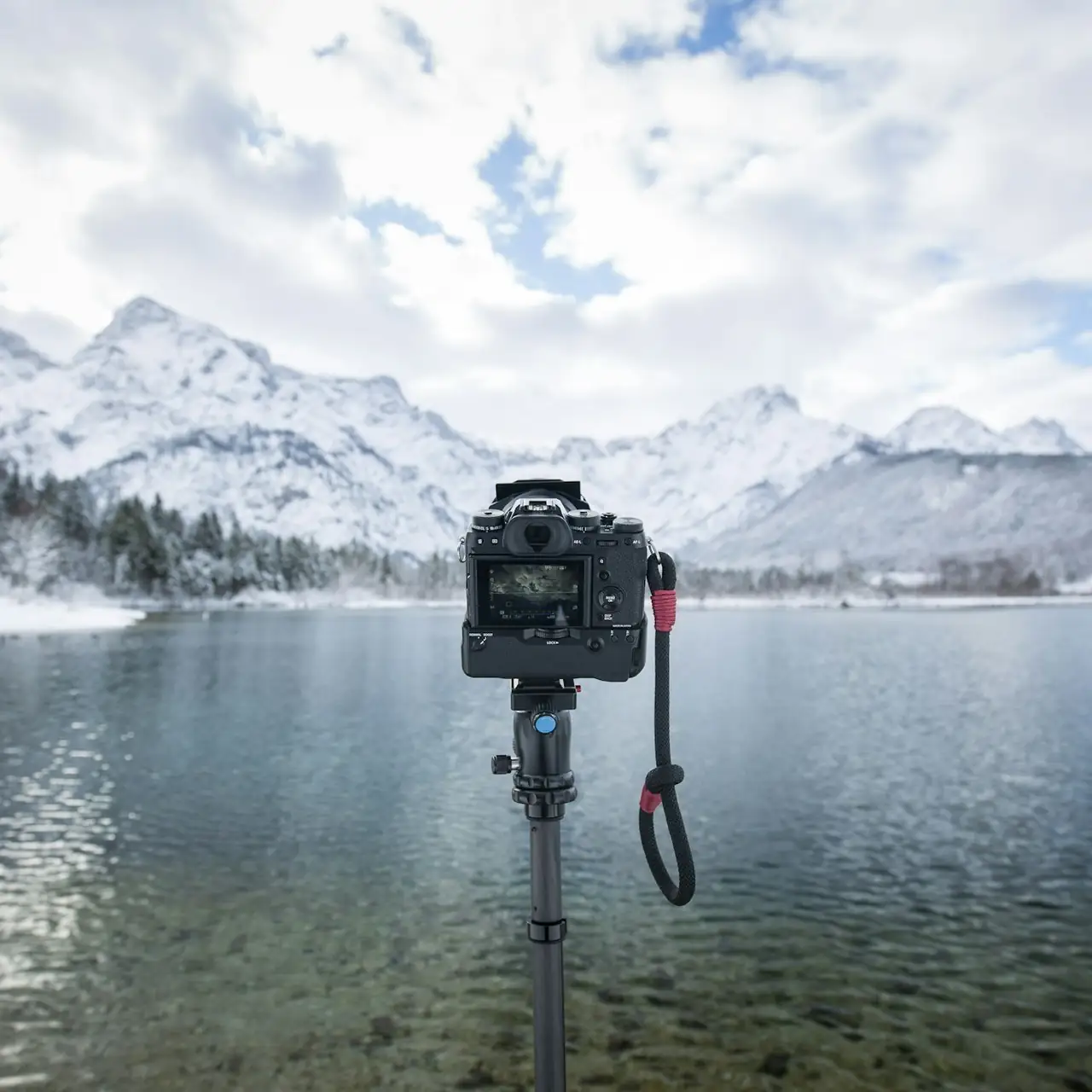
Blue hour, water and stars all need long exposures. A carbon travel tripod weighs less than a litre of water and turns blurry guesses into sharp pictures.
Hang your pack from the centre hook when the wind picks up.
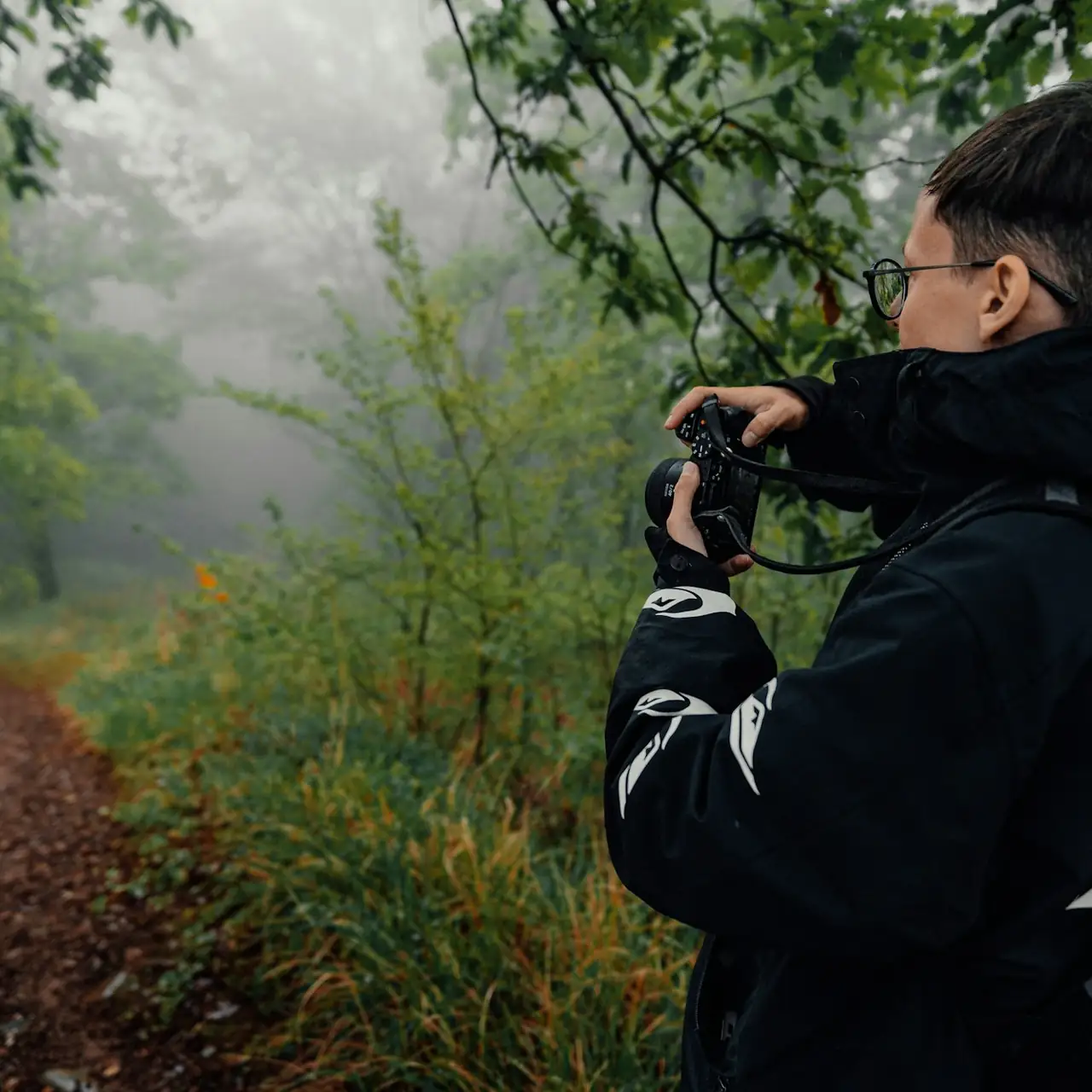
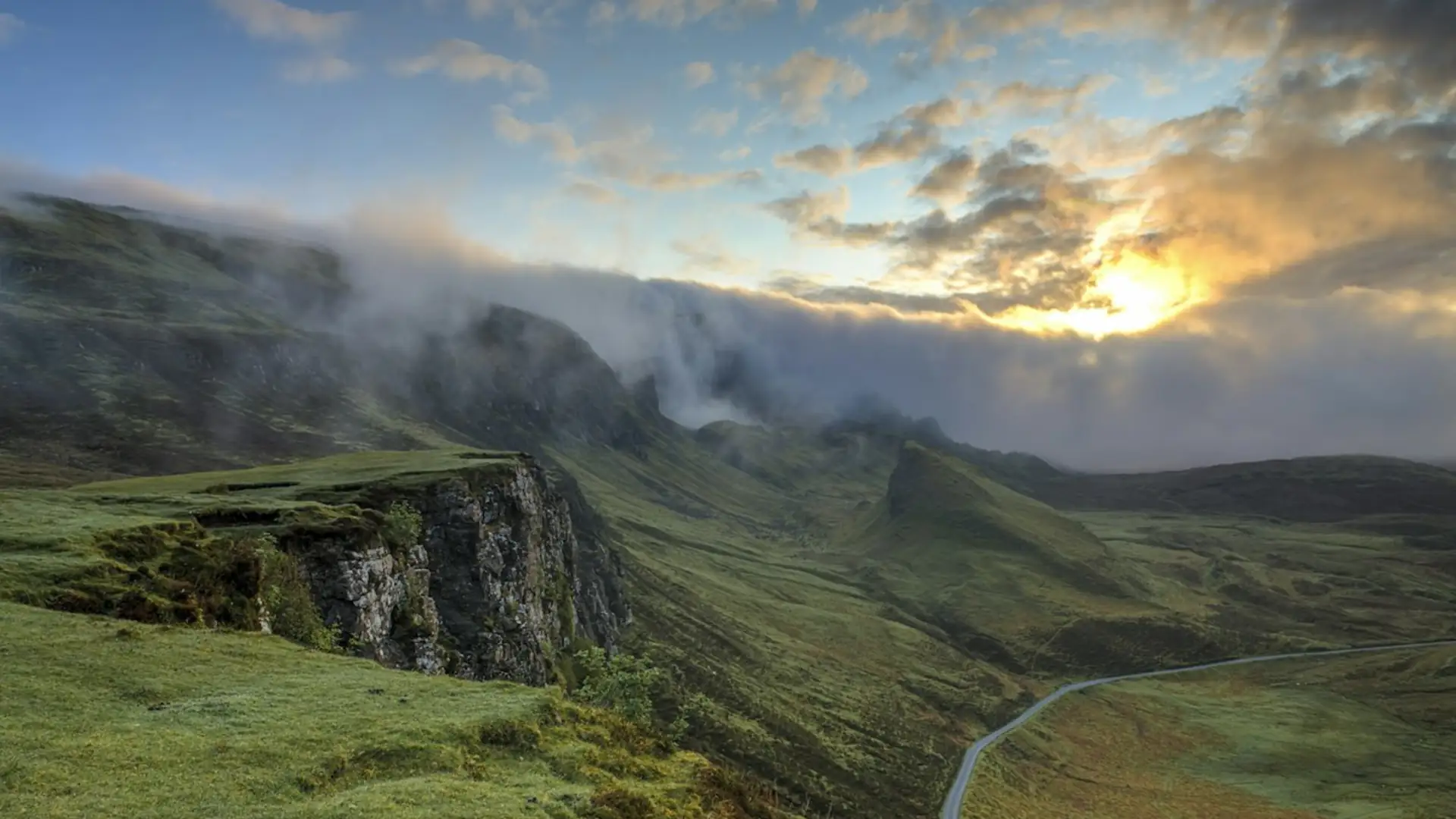
Fog hides the clutter and leaves only shapes. A cheap rain cover means you can keep shooting when everyone else hides their camera.
Wipe the lens with a dry cloth, never your sleeve.
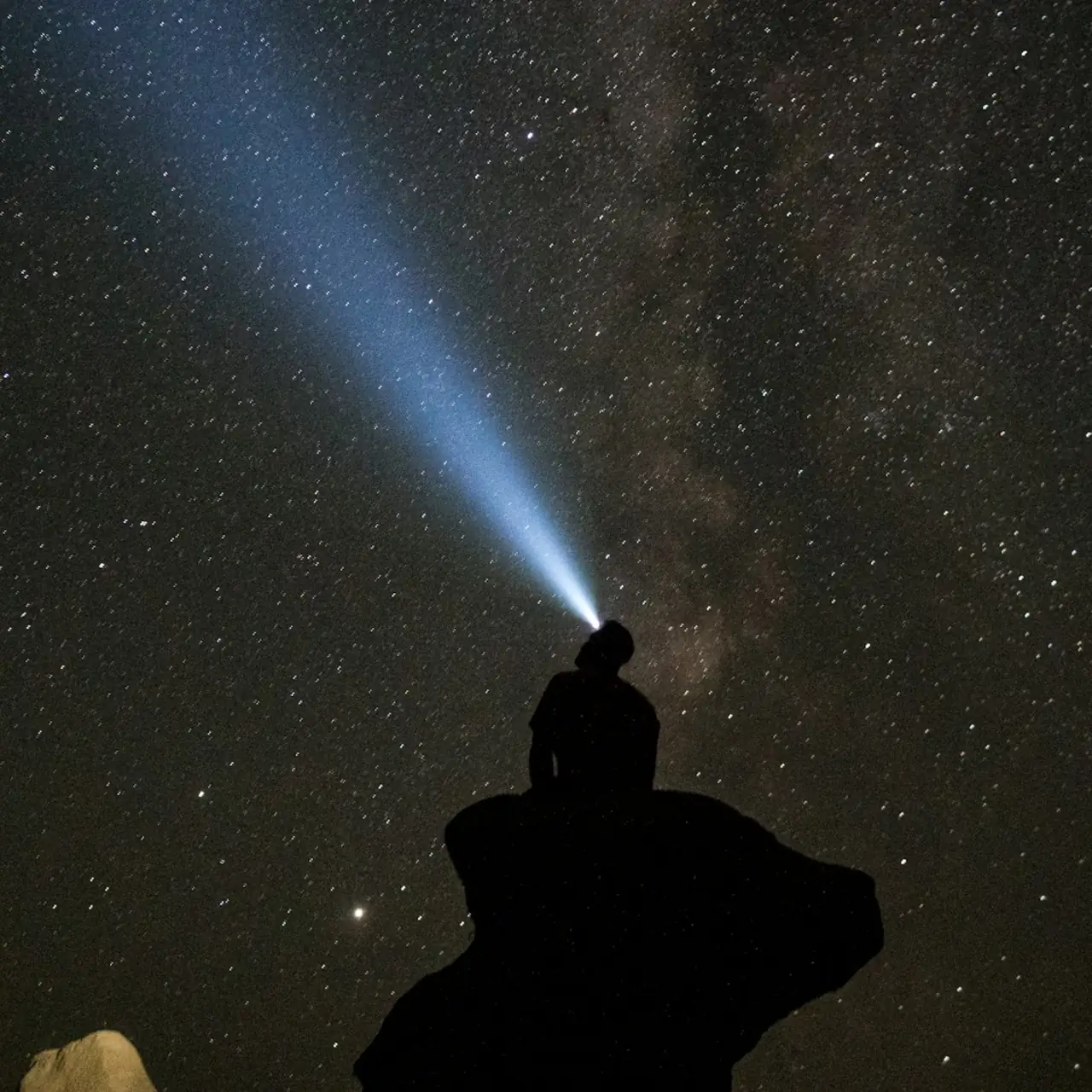
White light ruins twenty minutes of night vision in a second. Switch the headlamp to red when you set up for stars or aurora, and ask your friends to do the same.
At minus ten a battery can lose half its charge in an hour. Carry two spares in an inside pocket, close to your body, and swap them as the first one fades.
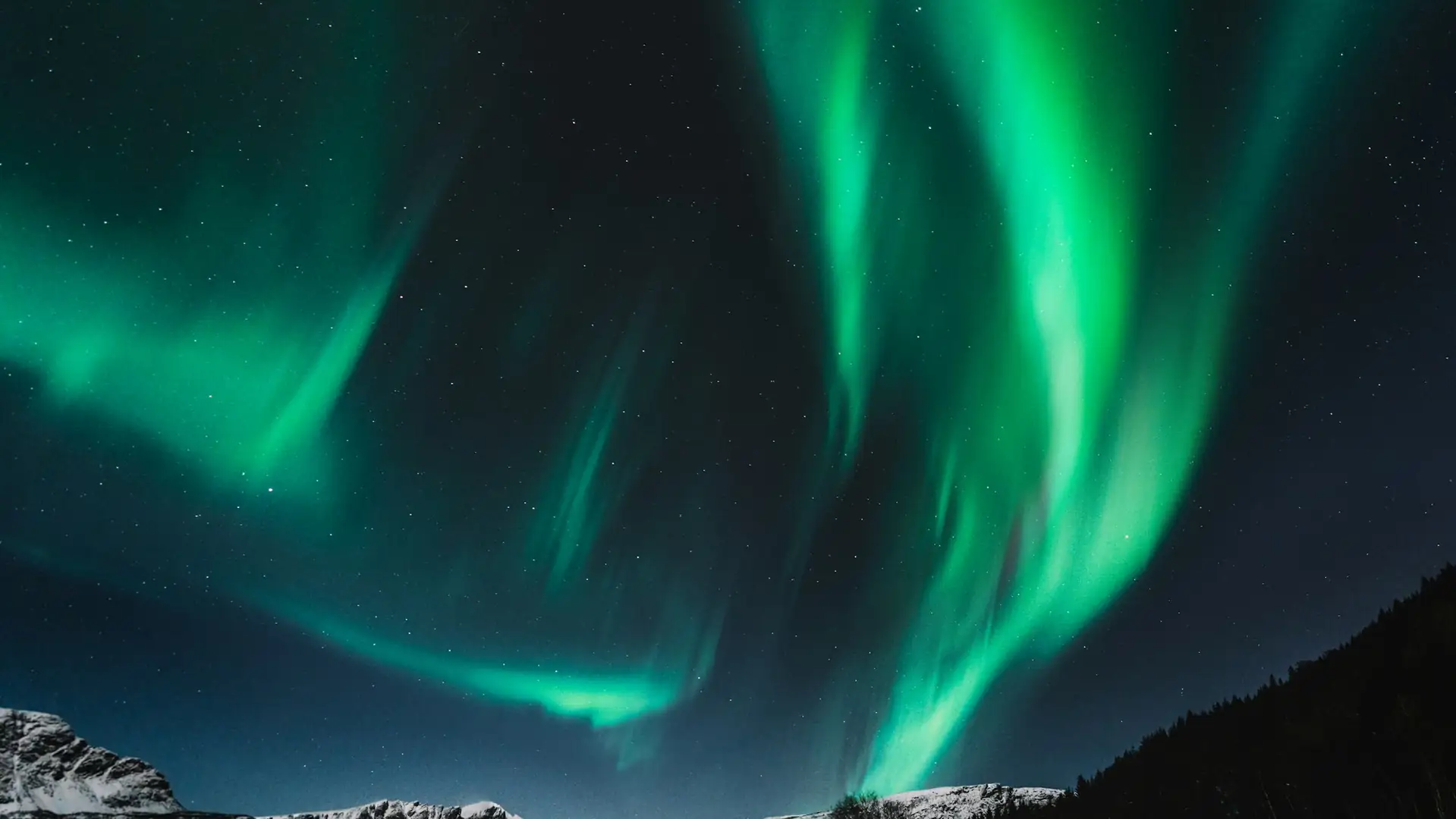
North of the Arctic Circle the season starts in late September. You need three things: a clear sky, a dark place and the patience to stand still in the cold.
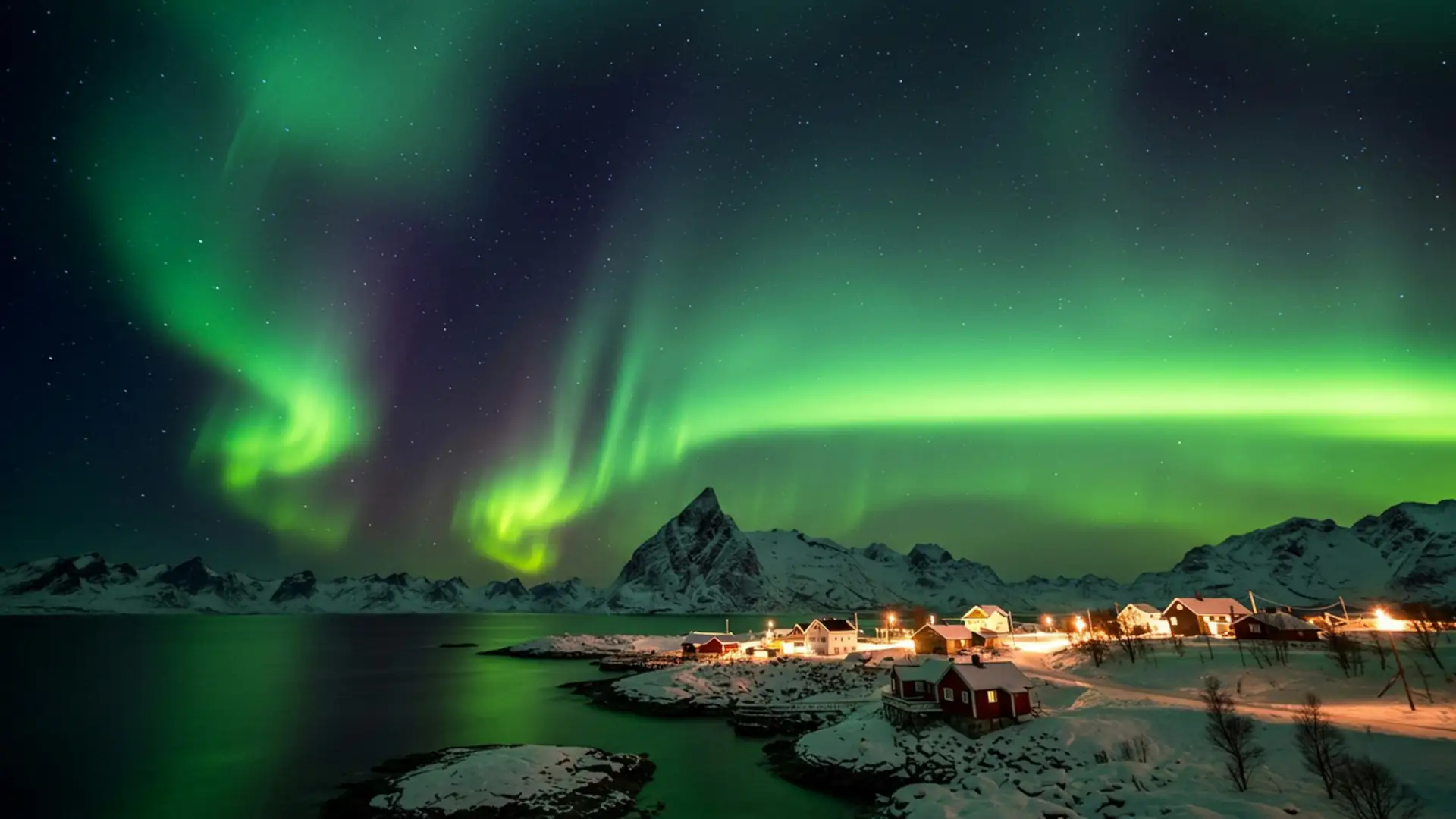
The best aurora pictures in the club archive were taken from a cabin doorstep, with a cup of cocoa in the other hand. No street lights, a warm room behind you, and the lake in front as a mirror.
Every March we walk to the cabins in Lyngen to do exactly that.
The best light lasts minutes. Be set up before it starts.
Check sunrise and sunset direction the night before.
One small figure gives the mountain its size.
Fog, rain and snow make the strongest pictures.
Inside pocket, close to your body, always two spares.
Stay on the trail and away from cornices and wet slabs.
The Storveis photo group meets once a month for a sunrise or sunset walk. Beginners are welcome, phones are welcome, and someone always brings a spare tripod.